B.E. Computer Science & Engineering
Introduction
The Department of Computer Science Engineering was established in Christian College of Engineering and Technology in 2001–2002, and M.E. Computer Science was started in 2013-2014. The Department was started with the intake of 60 students for UG and 24 Students for PG. Both U.G and P.G programs are permanently affiliated by Anna University. The main objective of the computer develop an understanding of how computing technology presents new ways to address problems and to use computational thinking to analyze problems and to design, develop and evaluate solutions. It also aims at the students to read, write, test, and modify computer programs.
The skill development includes the hand-execute simple programs, showing how input data is processed, output data is produced, and how the values of internal variables change explain at various levels the behavior of fragments of programming language code also to amend existing programs to adjust or correct their functionality and to translate well-structured plans into working programs and to analyze simple problems involving text, numbers and graphics, producing a top-level plan with refinements use the error messages of the compiler to identify and correct mistakes in program syntax use testing strategies to identify and correct semantic errors in programs.
The department maintains a close interaction with the alumni and often uses their feedback to enhance the course offerings and research infrastructure. Their valuable feedbacks are considered, and further preceded for the young hearts and their future.
Vision
To create computer science graduates who will be renowned as creative leaders in the digital field by the knowledge they gained, experienced with the support of life-long learning faculties and by exposing themselves in the society.
Mission
To establish a better realization between knowledge and the real world among the students by providing them with innovative, problem solving, leadership skills along with ethical responsibilities.
Dr. P. Sundar
Programme Outcomes(POs)
After going through the four years of study, our Computer Science and Engineering Graduates will exhibit ability to:
|
PO# |
Graduate Attribute |
Programme Outcome |
|
1 |
Engineering knowledge |
Apply knowledge of mathematics, basic science and engineering science. |
|
2 |
Problem analysis |
Identify, formulate and solve engineering problems. |
|
3 |
Design/development of solutions |
Design an electrical system or process to improve its performance, satisfying its constraints. |
|
4 |
Conduct investigations of complex problems |
Conduct experiments in electrical and electronics systems and interpret the data. |
|
5 |
Modern tool usage |
Apply various tools and techniques to improve the efficiency of the system. |
|
6 |
The Engineer and society |
Conduct themselves to uphold the professional and social obligations. |
|
7 |
Environment and sustainability |
Design the system with environment consciousness and sustainable development. |
|
8 |
Ethics |
Interacting industry, business and society in a professional and ethical manner. |
|
9 |
Individual and team work |
Function in a multidisciplinary team. |
|
10 |
Communication |
Proficiency in oral and written Communication. |
|
11 |
Project management and finance |
Implement cost effective and improved system. |
|
12 |
Life-long learning |
Continue professional development and learning as a life-long activity. |
Programme Outcomes(POs)
After going through the four years of study, our Computer Science and Engineering Graduates will exhibit ability to:
|
PO# |
Programme Outcomes |
|
1 |
An ability to independently carry out research / investigation and development work to solve practical problems. |
|
2 |
An ability to write and present a substantial technical report/document. |
|
3 |
Students should be able to demonstrate a degree of mastery over the area of Computer Students should be able to demonstrate a degree of mastery over the area of Computer science engineering. |
|
4 |
Efficiently design, build and develop system application software for distributed and centralized computing environments in varying domains and platform |
|
5 |
Understand the working of current Industry trends, the new hardware architectures, the software components and design solutions for real world problems by Communicating and effectively working with professionals in various engineering fields and pursue research orientation for a lifelong professional development in computer and automation arenas. |
|
6 |
Model a computer based automation system and design algorithms that explore the understanding of the tradeoffs involved in digital transformation. |
Program Specific Outcomes (PSO’s)
PSO 1: Exhibit design and programming skills to build and automate business solutions using cutting edge technologies.
PSO 2:Strong theoretical foundation leading to excellence and excitement towards research, to provide elegant solutions to complex problems.
PSO 3:Ability to work effectively with various engineering fields as a team to design, build and develop system applications.
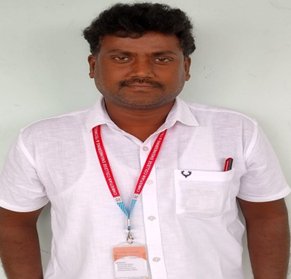
KANDAPIRABU K S
M.E
Assistant Professor & Head,
Department of CSE.
Welcome to Department of CSE, CCET.
Department of CSE is well supported by experienced faculty members with an average experience of 10 years. Our distinguished faculty teaches a wide range of diverse and engaging classes at both the undergraduate and graduate levels, ranging from the fundamentals of Computer Science, Core Courses, Programming and Emerging Technologies like Data Analytics, Data Mining, IoT, AI, Machine Learning, Professional Ethics, Research Methodologies and Open Source Technologies—to name just a few. In addition to offering Bachelor of Engineering (BE) degree, our department also offers a Master of Engineering (ME) programme in Computer Science.
It is built with the state of art infrastructure facility to support and encourage students to acquire knowledge and practical experience. During the course, students are able to mold their career, polish their technical skills and also inculcate team spirit with good oral and written communication. Students are supported technically and financially to participate in competitions, Hackathons at state, national and international level platforms.
Mail ID: csehod@christianengineering.in
KANDAPIRABU K S M.E
Assistant Professor & Head,
Department of CSE.

Mrs. Vanitha.J
M.E.,
Assistant Professor.
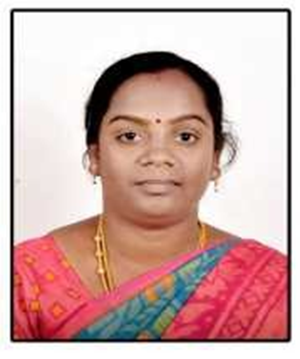
SARANYA M
M.E CSE
Assistant Professor

J. Sengole Beulah
M.E.,
Assistant Professor

P. Rajalakshmi
M.E.,
Assistant Professor
2023 – 2026

J. Jeba Prasanna Joice
M.E.,
Assistant Professor
2023 – 2026

V.Sumathi
M.E.,
Assistant Professor

G. Thivyapriya
M.E.,
Assistant Professor

P.SHANTHI
M.E.,
Assistant Professor

Mrs.r.ramya,
m.e,
Assistant Professor
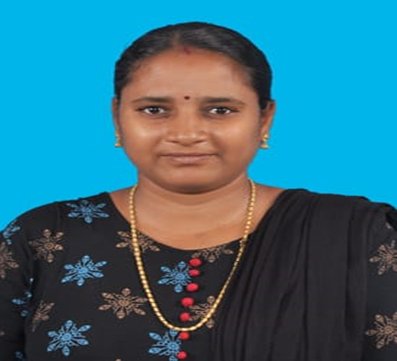
POOBATHI P
M.E CSE
Assistant Professor

Mr. C.DHANASEKAR
M.E.,
Assistant Professor
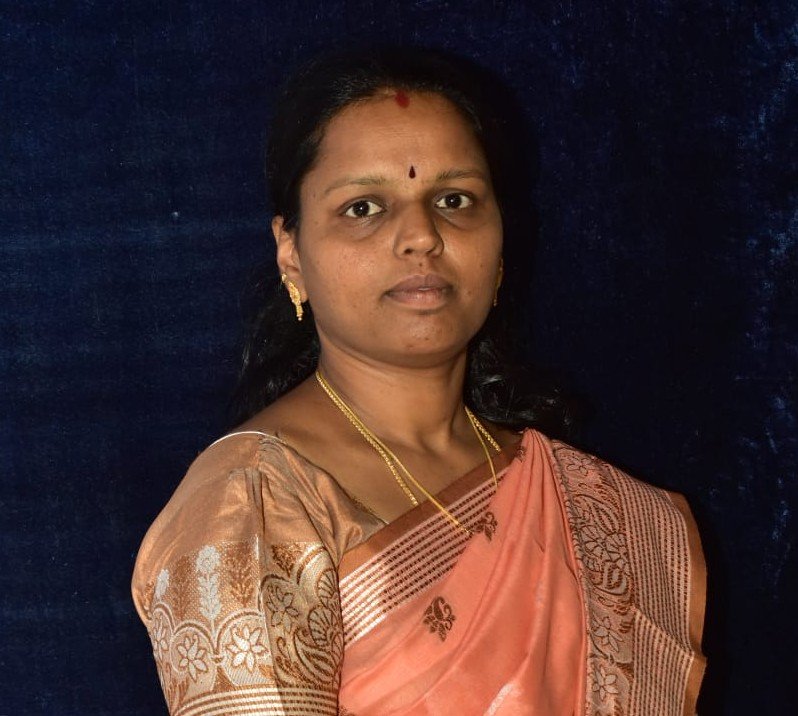
Manju Priya P
Assistant Professor
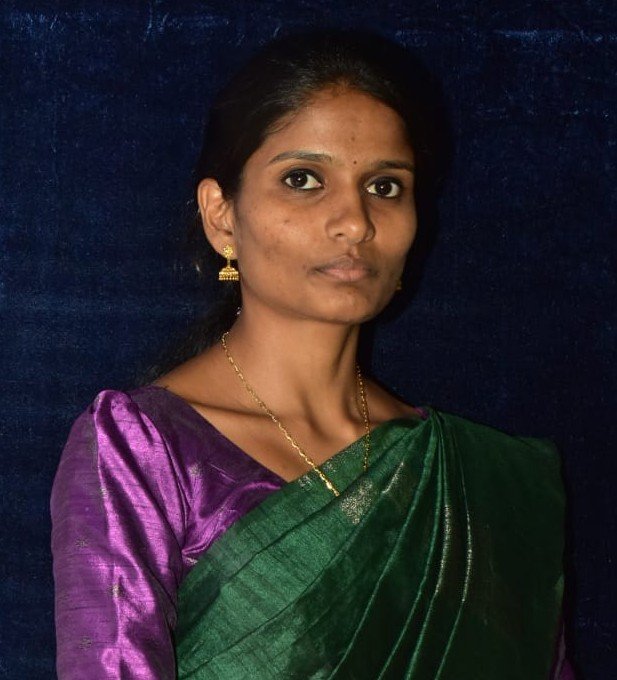
T Sheeba
Assistant Professor.

As a student of Christian College of Engineering and Technology, it was a golden period of learning and enjoyment. Small regular appreciations from faculties motivated me to make learning my passion. Dedication and perseverance for skill development by teachers at Christian college of Engineering and Technology still motivates me to constantly work towards goal.
My Belief is “I am different from others.”
My true identity and feeling of uniqueness is the source of enjoyment and success. Empowered people can turn a failure into success by learning from it and moving on with having faith on themselves.
Tech Club
The club has formed and named as TECH Club was inaugurated on 18th Aug, 2024 by the Department of Computer Science & Engineering. Students play various roles in Tech Club, Technical events and programs are held every week for the students to improve their Technical Skills.


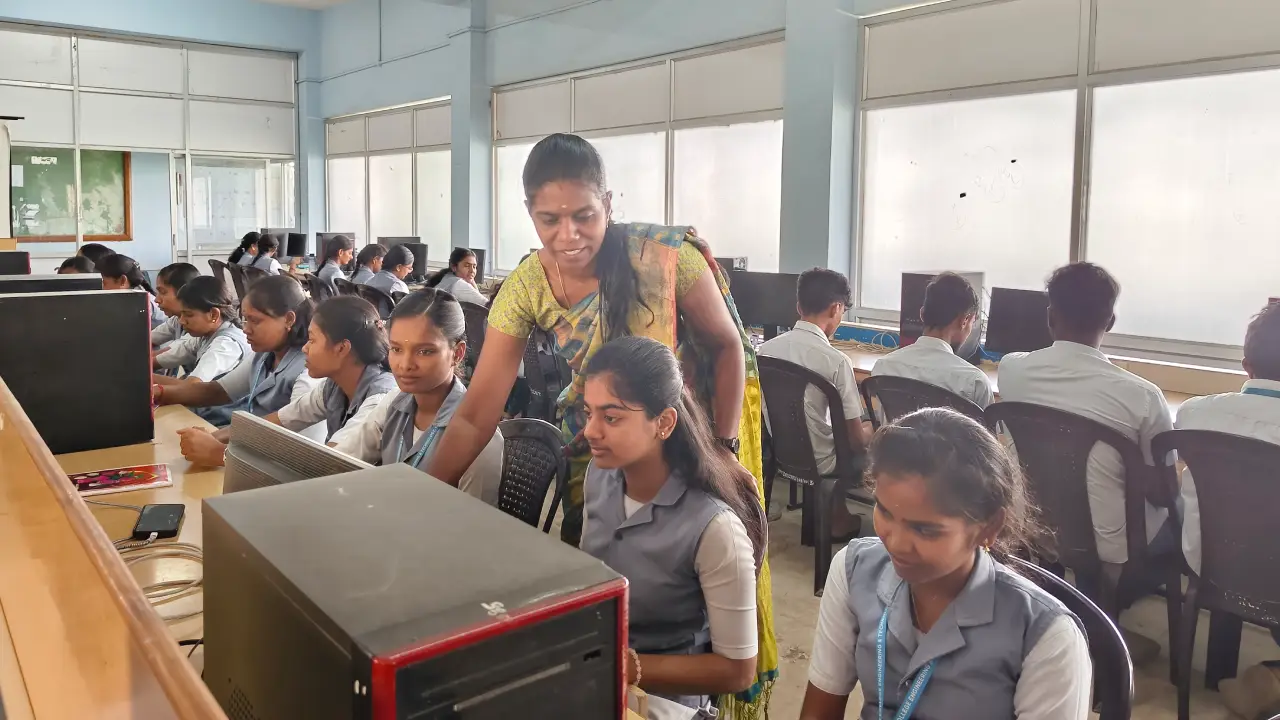
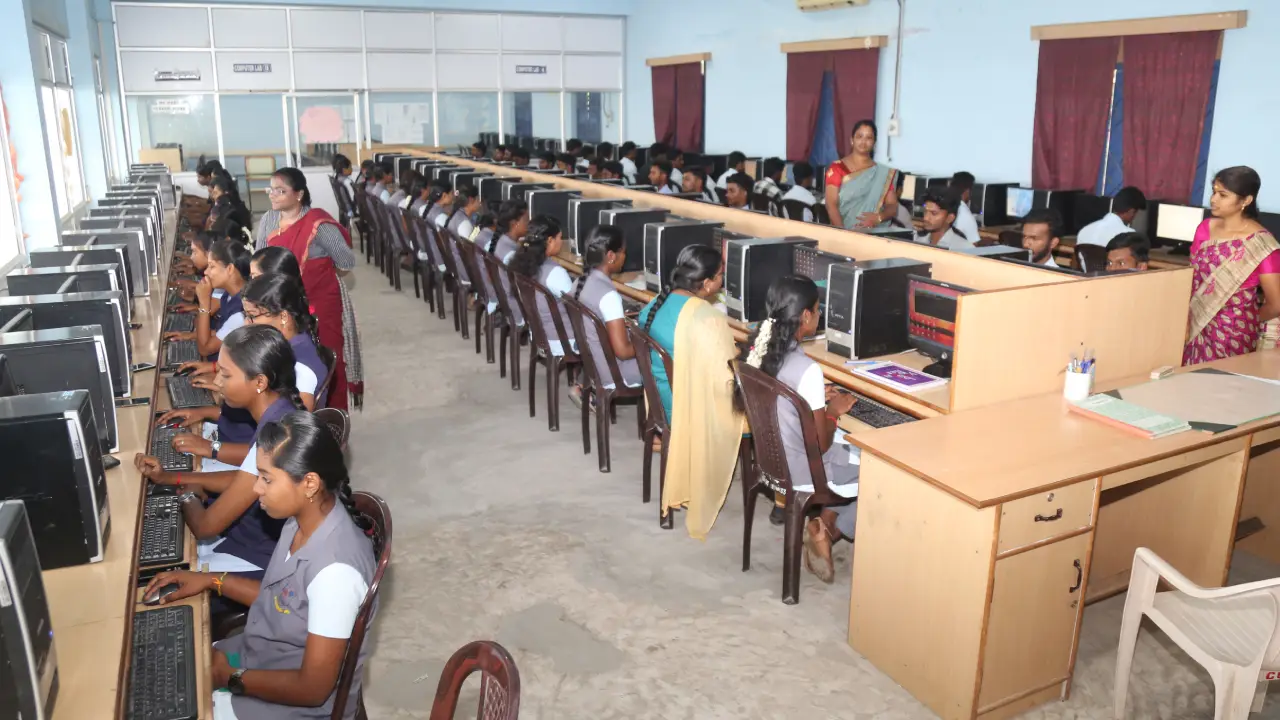
Computer Lab
Modern software is well-equipped in the laboratories, which are managed by knowledgeable technical support staff. The hardware in the various labs exposes students to real-world knowledge and provides examples of the key ideas in Computer Science engineering.


Library

The department has a library that supports the staff’s and students’ academic and research endeavors.
Seminars
The department organizes different seminars on the recent trends and hands on training for the same from various organizations.

Resource person 1 addressing and explaining the trends in computer science fields.

Resource person 2 sharing her experience in the IT field and wipes out the fear from the blooming mind

Our senior Faculty addressing the students and the honorium on the dais.

Interview training for 3rd year and final year students to face the interview

Successful seminar team and student volunteers.


| HS3152 -PROFESSIONAL ENGLISH I – [C101] | ||||||
| C101.1 | To use appropriate words in a professional context | |||||
| C101.2 | To gain understanding of basic grammatic structures and use them in right context. | |||||
| C101.3 | To read and infer the denotative and connotative meanings of technical texts | |||||
| C101.4 | To write definitions, descriptions, narrations and essays on various topics | |||||
| MA3151- MATRICES AND CALCULUS – [C102] | ||||||
| C102.1 | Use the matrix algebra methods for solving practical problems. | |||||
| C102.2 | Apply differential calculus tools in solving various application problems. | |||||
| C102.3 | Able to use differential calculus ideas on several variable functions. | |||||
| C102.4 | Apply different methods of integration in solving practical problems. | |||||
| C102.5 | :Apply multiple integral ideas in solving areas, volumes and other practical problems. | |||||
| PH3151 -ENGINEERING PHYSICS – [C103] | ||||||
| C103.1 | Understand the importance of mechanics. | |||||
| C103.2 | Express their knowledge in electromagnetic waves. | |||||
| C103.3 | Demonstrate a strong foundational knowledge in oscillations, optics and lasers. | |||||
| C103.4 | Understand the importance of quantum physics. | |||||
| C103.5 | Comprehend and apply quantum mechanical principles towards the formation of energy bands. | |||||
| CY3151 – ENGINEERING CHEMISTRY – [C104] | ||||||
| C104.1 | To infer the quality of water from quality parameter data and propose suitable treatment methodologies to treat water. | |||||
| C104.2 | To identify and apply basic concepts of nanoscience and nanotechnology in designing the synthesis of nanomaterials for engineering and technology applications. | |||||
| C104.3 | To apply the knowledge of phase rule and composites for material selection requirements. | |||||
| C104.4 | To recommend suitable fuels for engineering processes and applications. | |||||
| C104.5 | To recognize different forms of energy resources and apply them for suitable applications in energy sectors. | |||||
| GE3151- PROBLEM SOLVING AND PYTHON PROGRAMMING – [C105] | ||||||
| C105.1 | Develop algorithmic solutions to simple computational problems. | |||||
| C105.2 | Develop and execute simple Python programs. | |||||
| C105.3 | Write simple Python programs using conditionals and loops for solving problems. | |||||
| C105.4 | Decompose a Python program into functions. | |||||
| C105.5 | Represent compound data using Python lists, tuples, dictionaries etc. | |||||
| C105.6 | Read and write data from/to files in Python programs. | |||||
| GE3152 – HERITAGE OF TAMILS – [C106] | ||||||
| C106.1 |
|
|||||
| C106.2 |
|
|||||
| C106.3 | ||||||
| C106.4 | ||||||
| C106.5 |
|
|||||
| GE3171 – PROBLEM SOLVING AND PYTHON PROGRAMMING LABORATORY – [C107] | ||||||
| C107.1 | Develop algorithmic solutions to simple computational problems | |||||
| C107.2 | Develop and execute simple Python programs. | |||||
| C107.3 | Implement programs in Python using conditionals and loops for solving problems.. | |||||
| C107.4 | Deploy functions to decompose a Python program. | |||||
| C107.5 | Process compound data using Python data structures. | |||||
| C107.6 | Utilize Python packages in developing software applications. | |||||
| BS3171 – PHYSICS AND CHEMISTRY LABORATORY – [C108a] | ||||||
| C108.a.1 | Understand the functioning of various physics laboratory equipment. | |||||
| C108.a.2 | Use graphical models to analyze laboratory data. | |||||
| C108.a.3 | Use mathematical models as a medium for quantitative reasoning and describing physical reality. | |||||
| C108.a.4 | Access, process and analyze scientific information. | |||||
| C108.a.5 | Solve problems individually and collaboratively. | |||||
| CHEMISTRY LABORATORY – [C108b] | ||||||
| C108.b.1 | To analyse the quality of water samples with respect to their acidity, alkalinity, hardness and DO. | |||||
| C108.b.2 | To determine the amount of metal ions through volumetric and spectroscopic techniques | |||||
| C108.b.3 | To analyse and determine the composition of alloys. | |||||
| C108.b.4 | To learn simple method of synthesis of nanoparticles | |||||
| C108.b.5 | To quantitatively analyse the impurities in solution by electroanalytical techniques | |||||
| GE3172 – ENGLISH LABORATORY – [C109] | ||||||
| C109.1 | To listen to and comprehend general as well as complex academic information | |||||
| C109.2 | To listen to and understand different points of view in a discussion | |||||
| C109.3 | To speak fluently and accurately in formal and informal communicative contexts | |||||
| C109.4 | To describe products and processes and explain their uses and purposes clearly and accurately | |||||
| C109.5 | To express their opinions effectively in both formal and informal discussions | |||||
| HS3252- PROFESSIONAL ENGLISH – II – [C110] | ||||||
| C110.1 | To compare and contrast products and ideas in technical texts. | |||||
| C110.2 | To identify and report cause and effects in events, industrial processes through technical texts | |||||
| C110.3 | To analyse problems in order to arrive at feasible solutions and communicate them in the written format. | |||||
| C110.4 | To present their ideas and opinions in a planned and logical manner | |||||
| C110.5 | To draft effective resumes in the context of job search. | |||||
| MA3251 -STATISTICS AND NUMERICAL METHODS – [C111] | ||||||
| C111.1 | Apply the concept of testing of hypothesis for small and large samples in real life problems. | |||||
| C111.2 | Apply the basic concepts of classifications of design of experiments in the field of agriculture. | |||||
| C111.3 | Appreciate the numerical techniques of interpolation in various intervals and apply the numerical techniques of differentiation and integration for engineering problems. | |||||
| C111.4 | Understand the knowledge of various techniques and methods for solving first and second order ordinary differential equations. | |||||
| C111.5 | Solve the partial and ordinary differential equations with initial and boundary conditions by using certain techniques with engineering applications. | |||||
| PH3202 – PHYSICS FOR INFRMATION SCIENCE – [C112] | ||||||
| C112.1 | Know basics of dielectric materials and insulation. | |||||
| C112.2 | Gain knowledge on the electrical and magnetic properties of materials and their applications | |||||
| C112.3 | Understand clearly of semiconductor physics and functioning of semiconductor devices | |||||
| C112.4 | Understand the optical properties of materials and working principles of various optical devices | |||||
| C112.5 | Appreciate the importance of nanotechnology and nanodevices. | |||||
| BE3251 – BASIC ELECTIRICAL AND ELECTRONICS ENGINEERING – [C113] | ||||||
| C113.1 | Understanding profession of Civil and Mechanical engineering. | |||||
| C113.2 | Summarise the planning of building, infrastructure and working of Machineries. | |||||
| C113.3 | Apply the knowledge gained in respective discipline | |||||
| C113.4 | Illustrate the ideas of Civil and Mechanical Engineering applications. | |||||
| C113.5 | Appraise the material, Structures, machines and energy. | |||||
| GE3251 – ENGINEERING GRAPHICS – [C114] | ||||||
| C114.1 | Use BIS conventions and specifications for engineering drawing. | |||||
| C114.2 | Construct the conic curves, involutes and cycloid. | |||||
| C114.3 | Solve practical problems involving projection of lines. | |||||
| C114.4 | Draw the orthographic, isometric and perspective projections of simple solids. | |||||
| C114.5 | Draw the development of simple solids. | |||||
| CS3251 – PROGRAMMING IN C – [C115] | ||||||
| C115.1 | Demonstrate knowledge on C Programming constructs. | |||||
| C115.2 | Develop simple applications in C using basic constructs | |||||
| C115.3 | Design and implement applications using arrays and strings | |||||
| C115.4 | Develop and implement modular applications in C using functions. | |||||
| C115.5 | Develop applications in C using structures and pointers. | |||||
| C115.6 | Design applications using sequential and random access file processing. | |||||
| GE3252 – TAMILS AND TECHNOLOGY – [C116] | ||||||
| C116.1 |
|
|||||
| C116.2 |
|
|||||
| C116.3 |
|
|||||
| C116.4 |
|
|||||
| C116.5 |
|
|||||
| GE3271 – ENGINEERING PRACTICES LABORATORY – [C117] | ||||||
| C117.1 | Draw pipe line plan; lay and connect various pipe fittings used in common household plumbing work; Saw; plan; make joints in wood materials used in common household wood work. | |||||
| C117.2 | Wire various electrical joints in common household electrical wire work. | |||||
| C117.3 | Weld various joints in steel plates using arc welding work; Machine various simple processes like turning, drilling, tapping in parts; Assemble simple mechanical assembly of common household equipments; Make a tray out of metal sheet using sheet metal work. | |||||
| C117.4 | Solder and test simple electronic circuits; Assemble and test simple electronic components on PCB. | |||||
| CS3271 – PROGRAMMING IN C LABORATORY – [C118] | ||||||
| C118.1 | Demonstrate knowledge on C programming constructs | |||||
| C118.2 | Develop programs in C using basic constructs. | |||||
| C118.3 | Develop programs in C using arrays. | |||||
| C118.4 | Develop applications in C using strings, pointers, functions. | |||||
| C118.5 | Develop applications in C using structures. | |||||
| C118.6 | Develop applications in C using file processing. | |||||
| GE3272 – COMMUNICATION LABORATORY – [C119] | ||||||
| C119.1 | To listen to and comprehend general as well as complex academic information | |||||
| C119.2 | To listen to and understand different points of view in a discussion | |||||
| C119.3 | To speak fluently and accurately in formal and informal communicative contexts | |||||
| C119.4 | To describe products and processes and explain their uses and purposes clearly and accurately | |||||
| C119.5 | To express their opinions effectively in both formal and informal discussions | |||||
| MA3354 -DISCRETE MATHEMATICS – [C201] | ||||||
| C201.1 | Understand the fundamental knowledge of the concepts of probability and have knowledge of standard distributions which can describe real life phenomenon. | |||||
| C201.2 | Understand the basic concepts of one and two dimensional random variables and apply in engineering applications. | |||||
| C201.3 | To develop an understanding of the standard techniques of complex variable theory in particular analytic function and its mapping property. | |||||
| C201.4 | To familiarize the students with complex integration techniques and contour integration techniques which can be used in real integrals. | |||||
| C201.5 | To acquaint the students with Differential Equations which are significantly used in engineering problems. | |||||
| CS3351 – DIGITAL PRINCIPLES AND COMPUTER ORGANIZATION – [C202] | ||||||
| C202.1 | Visualize and explain Gradient, Divergence, and Curl operations on electromagnetic vector fieldsand identify the electromagnetic sources and their effects. | |||||
| C202.2 | Compute and analyse electrostatic fields, electric potential, energy density along with their applications. | |||||
| C202.3 | Compute and analyse magneto static fields, magnetic flux density, vector potential along with their applications. | |||||
| C202.4 | Explain different methods of emf generation and Maxwell’s equations | |||||
| C202.5 | Explain the concept of electromagnetic waves and characterizing parameters | |||||
| CS3352 – FOUNDATIONS OF DATA SCIENCE – [C203] | ||||||
| C203.1 | Define the data science process | |||||
| C203.2 | Understand different types of data description for data science process | |||||
| C203.3 | Gain knowledge on relationships between data | |||||
| C203.4 | Use the Python Libraries for Data Wrangling | |||||
| C203.5 | Apply visualization Libraries in Python to interpret and explore data | |||||
| CS3301 – DATA STRUCTURES – [C204] | ||||||
| C204.1 | Define linear and non-linear data structures. | |||||
| C204.2 | Implement linear and non–linear data structure operations. | |||||
| C204.3 | Use appropriate linear/non–linear data structure operations for solving a given problem. | |||||
| C204.4 | Apply appropriate graph algorithms for graph applications. | |||||
| C204.5 | Analyze the various searching and sorting algorithms. | |||||
| CS3391 – OBJECT ORIENTED PROGRAMMING – [C205] | ||||||
| C205.1 | Apply the concepts of classes and objects to solve simple problems | |||||
| C205.2 | Develop programs using inheritance, packages and interfaces | |||||
| C205.3 | Make use of exception handling mechanisms and multithreaded model to solve real world problems | |||||
| C205.4 | Build Java applications with I/O packages, string classes, Collections and generics concepts | |||||
| C205.5 | Integrate the concepts of event handling and JavaFX components and controls for developing GUI based applications | |||||
| CS3311 – DATA STRUCTURES LABORATORY – [C206] | ||||||
| C206.1 | Implement Linear data structure algorithms | |||||
| C206.2 | Implement applications using Stacks and Linked lists | |||||
| C206.3 | Implement Binary Search tree and AVL tree operations. | |||||
| C206.4 | Implement graph algorithms. | |||||
| C206.5 | Analyze the various searching and sorting algorithms. | |||||
| CS3381 – OBJECT ORIENTED PROGRAMMING LABORATORY – [C207] | ||||||
| C207.1 | Design and develop java programs using object oriented programming concepts | |||||
| C207.2 | Develop simple applications using object oriented concepts such as package, exceptions | |||||
| C207.3 | Implement multithreading, and generics concepts | |||||
| C207.4 | Create GUIs and event driven programming applications for real world problems | |||||
| C207.5 | Implement and deploy web applications using Java | |||||
| CS3361 – DATA SCIENCE LABORATORY – [C208] | ||||||
| C208.1 | Make use of the python libraries for data science | |||||
| C208.2 | Make use of the basic Statistical and Probability measures for data science | |||||
| C208.3 | Perform descriptive analytics on the benchmark data sets | |||||
| C208.4 | Perform correlation and regression analytics on standard data sets | |||||
| C208.5 | Present and interpret data using visualization packages in Python. | |||||
| GE3361 -PROFESSIONAL DEVELOPMENT – [C209] | ||||||
| C210.1 | Use MS Word to create quality documents, by structuring and organizing content for their day to day technical and academic requirements | |||||
| C210.2 | Use MS EXCEL to perform data operations and analytics, record, retrieve data as per requirements and visualize data for ease of understanding | |||||
| C210.3 | Use MS PowerPoint to create high quality academic presentations by including common tables, charts, graphs, interlinking other elements, and using media objects. | |||||
| CS3452 – THEORY OF COMPUTATION – [C211] | ||||||
| C211.1 | Construct automata theory using Finite Automata | |||||
| C211.2 | Write regular expressions for any pattern | |||||
| C211.3 | Design context free grammar and Pushdown Automata | |||||
| C211.4 | Design Turing machine for computational functions | |||||
| C211.5 | Differentiate between decidable and undecidable problems | |||||
| CS3491 – ARTIFICIAL INTELLIGENCE AND MACHINE LEARNING – [C212] | ||||||
| C212.1 | Use appropriate search algorithms for problem solving | |||||
| C212.2 | Apply reasoning under uncertainty | |||||
| C212.3 | Build supervised learning models | |||||
| C212.4 | Build ensembling and unsupervised models | |||||
| C212.5 | Build deep learning neural network models | |||||
| CS3492 – DATABASE MANAGEMENT SYSTEMS – [C213] | ||||||
| C213.1 | Construct SQL Queries using relational algebra | |||||
| C213.2 | Design database using ER model and normalize the database | |||||
| C213.3 | Construct queries to handle transaction processing and maintain consistency of the database | |||||
| C213.4 | Compare and contrast various indexing strategies and apply the knowledge to tune the performance of the database | |||||
| C213.5 | Appraise how advanced databases differ from Relational Databases and find a suitable database for the given requirement. | |||||
| CS3401 – ALGORITHMS – [C214] | ||||||
| C214.1 | Analyze the efficiency of algorithms using various frameworks | |||||
| C214.2 | Apply graph algorithms to solve problems and analyze their efficiency. | |||||
| C214.3 | Make use of algorithm design techniques like divide and conquer, dynamic programming and greedy techniques to solve problems | |||||
| C214.4 | Use the state space tree method for solving problems. | |||||
| C214.5 | Solve problems using approximation algorithms and randomized algorithms | |||||
| CS3451 – INTRODUCTION TO OPERATING SYSTEMS – [C215] | ||||||
| C215.1 | Analyze various scheduling algorithms and process synchronization. | |||||
| C215.2 | Explain deadlock prevention and avoidance algorithms. | |||||
| C215.3 | Compare and contrast various memory management schemes. | |||||
| C215.4 | Explain the functionality of file systems, I/O systems, and Virtualization | |||||
| C215.5 | Compare iOS and Android Operating Systems. | |||||
| GE3451 – ENVIRONMENTAL SCIENCES AND SUTAINABILITY – [C216] | ||||||
| C216.1 | To recognize and understand the functions of environment, ecosystems and biodiversity and their conservation. | |||||
| C216.2 | To identify the causes, effects of environmental pollution and natural disasters and contribute to the preventive measures in the society. | |||||
| C216.3 | To identify and apply the understanding of renewable and non-renewable resources and contribute to the sustainable measures to preserve them for future generations. | |||||
| C216.4 | To recognize the different goals of sustainable development and apply them for suitable technological advancement and societal development. | |||||
| C216.5 | To demonstrate the knowledge of sustainability practices and identify green materials, energy cycles and the role of sustainable urbanization. | |||||
| CS3461 – OPERATING SYSTEMS LABORATORY – [C217] | ||||||
| C217.1 | Define and implement UNIX Commands. | |||||
| C217.2 | Compare the performance of various CPU Scheduling Algorithms. | |||||
| C217.3 | Compare and contrast various Memory Allocation Methods. | |||||
| C217.4 | Define File Organization and File Allocation Strategies. | |||||
| C217.5 | Implement various Disk Scheduling Algorithms. | |||||
| CS3481 -DATABASE MANAGEMENT SYSTEMS LABORATORY – [C218] | ||||||
| C218.1 | Create databases with different types of key constraints. | |||||
| C218.2 | Construct simple and complex SQL queries using DML and DCL commands. | |||||
| C218.3 | Use advanced features such as stored procedures and triggers and incorporate in GUI based application development. | |||||
| C218.4 | Create an XML database and validate with meta-data (XML schema). | |||||
| C218.5 | Create and manipulate data using NOSQL database. | |||||
| CS3591 – COMPUTER NETWORKS – [C301] | ||||||
| C301.1 | Explain the basic layers and its functions in computer networks. | |||||
| C301.2 | Understand the basics of how data flows from one node to another. | |||||
| C301.3 | Analyze routing algorithms | |||||
| C301.4 | Describe protocols for various functions in the network. | |||||
| C301.5 | Analyze the working of various application layer protocols. | |||||
| CS3501 – COMPILER DESIGN – [C302] | ||||||
| C302.1 | Understand the techniques in different phases of a compiler | |||||
| C302.2 | Design a lexical analyser for a sample language and learn to use the LEX tool | |||||
| C302.3 | Apply different parsing algorithms to develop a parser and learn to use YACC tool | |||||
| C302.4 | Understand semantics rules (SDT), intermediate code generation and run-time environment | |||||
| C302.5 | Implement code generation and apply code optimization techniques | |||||
| CB3491 – CRYPTOGRAPHY AND CYBER SECURITY – [C303] | ||||||
| C303.1 | Understand the fundamentals of networks security, security architecture, threats and vulnerabilities | |||||
| C303.2 | Apply the different cryptographic operations of symmetric cryptographic algorithms | |||||
| C303.3 | Apply the different cryptographic operations of public key cryptography | |||||
| C303.4 | Apply the various Authentication schemes to simulate different applications | |||||
| C303.5 | Understand various cyber crimes and cyber security | |||||
| CS3551- DISTRIBUTED COMPUTING – [C304] | ||||||
| C304.1 | Explain the foundations of distributed systems (K2) | |||||
| C304.2 | Solve synchronization and state consistency problems (K3) | |||||
| C304.3 | Use resource sharing techniques in distributed systems (K3 | |||||
| C304.4 | Apply working model of consensus and reliability of distributed systems (K3) | |||||
| C304.5 | Explain the fundamentals of cloud computing (K2) | |||||
| CCS334 – BIG DATA ANALYTICS – [C305] | ||||||
| C305.1 | Describe big data and use cases from selected business domains | |||||
| C305.2 | Explain NoSQL big data management | |||||
| C305.3 | Install, configure, and run Hadoop and HDFS. | |||||
| C305.4 | Perform map-reduce analytics using Hadoop. | |||||
| C305.5 | Use Hadoop-related tools such as HBase, Cassandra, Pig, and Hive for big data analytics | |||||
| CCS375 – WEB TECHNOLOGIES [C306] | ||||||
| C306.1 | Construct a basic website using HTML and Cascading Style Sheets | |||||
| C306.2 | Build dynamic web page with validation using Java Script objects and by applying different event handling mechanisms. | |||||
| C306.3 | Develop server side programs using Servlets and JSP. | |||||
| C306.4 | Construct simple web pages in PHP and to represent data in XML format. | |||||
| C306.5 | Develop interactive web applications. | |||||
| MX3084 – DISASTER RISK REDUCTION AND MANAGEMENT – [C307] | ||||||
| C307.1 | To impart knowledge on the concepts of Disaster, Vulnerability and Disaster Risk reduction [DRR] | |||||
| C307.2 | To enhance understanding on Hazards, Vulnerability and Disaster Risk Assessment prevention and risk reduction | |||||
| C307.3 | To develop disaster response skills by adopting relevant tools and technology | |||||
| C307.4 | Enhance awareness of institutional processes for Disaster response in the country and | |||||
| C307.5 | Develop rudimentary ability to respond to their surroundings with potential Disaster response in areas where they live, with due sensitivity | |||||
| CCS356 – OBJECT ORIENTED SOFTWARE ENGINEERING – [C308] | ||||||
| C308.1 | Compare various Software Development Lifecycle Models | |||||
| C308.2 | Evaluate project management approaches as well as cost and schedule estimation strategies | |||||
| C308.3 | Perform formal analysis on specifications | |||||
| C308.4 | Use UML diagrams for analysis and design | |||||
| C308.5 | Architect and design using architectural styles and design patterns, and test the system | |||||
| CS3691 – EMBEDED SYSTEMS AND IOT – [C309] | ||||||
| C309.1 | Explain the architecture of embedded processors. | |||||
| C309.2 | Write embedded C programs | |||||
| C309.3 | Design simple embedded applications | |||||
| C309.4 | Compare the communication models in IOT | |||||
| C309.5 | Design IoT applications using Arduino/Raspberry Pi /open platform | |||||
| CCS372 – VIRTUALIZATION – [C310] | ||||||
| C310.1 | Analyse the virtualization concepts and Hypervisor | |||||
| C310.2 | Apply the Virtualization for real-world applications | |||||
| C310.3 | Install & Configure the different VM platforms | |||||
| C310.4 | Experiment with the VM with various software | |||||
| CCS374 – WEB APPLICATION SECURITY – [C311] | ||||||
| C311.1 | Understanding the basic concepts of web application security and the need for it | |||||
| C311.2 | Be acquainted with the process for secure development and deployment of web applications | |||||
| C311.3 | Acquire the skill to design and develop Secure Web Applications that use Secure APIs | |||||
| C311.4 | Be able to get the importance of carrying out vulnerability assessment and penetration testing | |||||
| C311.5 | Acquire the skill to think like a hacker and to use hackers tool sets | |||||
| CCW332 – DIGITAL MARKETING – [C312] | ||||||
| C312.1 | To examine and explore the role and importance of digital marketing in today’s rapidly changing business environment.. | |||||
| C312.2 | To focuses on how digital marketing can be utilized by organizations and how its effectiveness can be measured. | |||||
| C312.3 | To know the key elements of a digital marketing strategy. | |||||
| C312.4 | To study how the effectiveness of a digital marketing campaign can be measured | |||||
| C312.5 | To demonstrate advanced practical skills in common digital marketing tools such as SEO, SEM, Social media and Blogs. | |||||
| CCS335 – CLOUD COMPUTING – [C313] | ||||||
| C313.1 | Understand the design challenges in the cloud. | |||||
| C313.2 | Apply the concept of virtualization and its types. | |||||
| C313.3 | Experiment with virtualization of hardware resources and Docker. | |||||
| C313.4 | Develop and deploy services on the cloud and set up a cloud environment. | |||||
| C313.5 | Develop and deploy services on the cloud and set up a cloud environment. | |||||
| CCS335 – CLOUD COMPUTING – [C314] | ||||||
| C314.1 | Apply graph models for solving real world problem. | |||||
| C314.2 | Understand the importance the natural applications of trees and graph connectivity. | |||||
| C314.3 | Understand the characterization study of Eulerian graphs and Hamiltonian graphs. | |||||
| C314.4 | Apply the graph colouring concepts in partitioning problems. | |||||
| C314.5 | Apply the standard optimization graph algorithms in solving application problems. | |||||
| MX3086 – HISTORY OF SCIENCE AND TECHNOLOGY – [C315] | ||||||
| C315.1 | This course will begin with a short overview of human needs and desires and how different political-economic systems try to fullfill them. In the process, we will end with a critique of different systems and their implementations in the past, with possible future directions. | |||||
| GE3791 – HUMAN VALUES AND ETHICS – [C401] | ||||||
| C401.1 | Identify the importance of democratic, secular and scientific values in harmonious functioning of social life | |||||
| C401.2 | Practice democratic and scientific values in both their personal and professional life. | |||||
| C401.3 | Find rational solutions to social problems. | |||||
| C401.4 | Behave in an ethical manner in society | |||||
| C401.5 | Practice critical thinking and the pursuit of truth. | |||||
| GE3751 – PRINCIPLES OF MANAGEMENT – [C402] | ||||||
| C402.1 | Upon completion of the course, students will be able to have clear understanding of managerial functions like planning, organizing, staffing, leading & controlling. |
|||||
| C402.2 | Have same basic knowledge on international aspect of management. | |||||
| C402.3 | Ability to understand management concept of organizing. | |||||
| C402.4 | Ability to understand management concept of directing. | |||||
| OHS352 – PROJECT REPORT WRITING – [C403] | ||||||
| C403.1 | Write effective project reports | |||||
| C403.2 | Use statistical tools with confidence. | |||||
| C403.3 | Explain the purpose and intension of the proposed project coherently and with clarity. | |||||
| C403.4 | Create writing texts to suit achieve the intended purpose. | |||||
| C403.5 | Master the art of writing winning proposals and projects. | |||||
| AI3021 – IT IN AGRICULTURAL SYSTEM – [C404] | ||||||
| C404.1 | The students shall be able to understand the applications of IT in remote sensing applications such as Drones etc. | |||||
| C404.2 | The students will be able to get a clear understanding of how a greenhouse can be automated and its advantages. | |||||
| C404.3 | The students will be able to apply IT principles and concepts for management of field operations | |||||
| C404.4 | The students will get an understanding about weather models, their inputs and applications. | |||||
| C404.5 | The students will get an understanding of how IT can be used for e-governance in agriculture. | |||||
| OME354 – APPLIED DESIGN THINKING – [C405] | ||||||
| C405.1 | Define & test various hypotheses to mitigate the inherent risks in product innovations | |||||
| C405.2 | Design the solution concept based on the proposed value by exploring alternate solutions to achieve value-price fit | |||||
| C405.3 | Develop skills in empathizing, critical thinking, analyzing, storytelling & pitching | |||||
| C405.4 | Apply system thinking in a real-world scenario | |||||
| CS3811 – PROJECT WORK / INTERNSHIP – [C406] | ||||||
| C406.1 | Gain Domain knowledge and technical skill set required for solving industry / research problems | |||||
| C406.2 | Provide solution architecture, module level designs, algorithms | |||||
| C406.3 | Implement, test and deploy the solution for the target platform | |||||
| C406.4 | Prepare detailed technical report, demonstrate and present the work | |||||
Language Laboratory
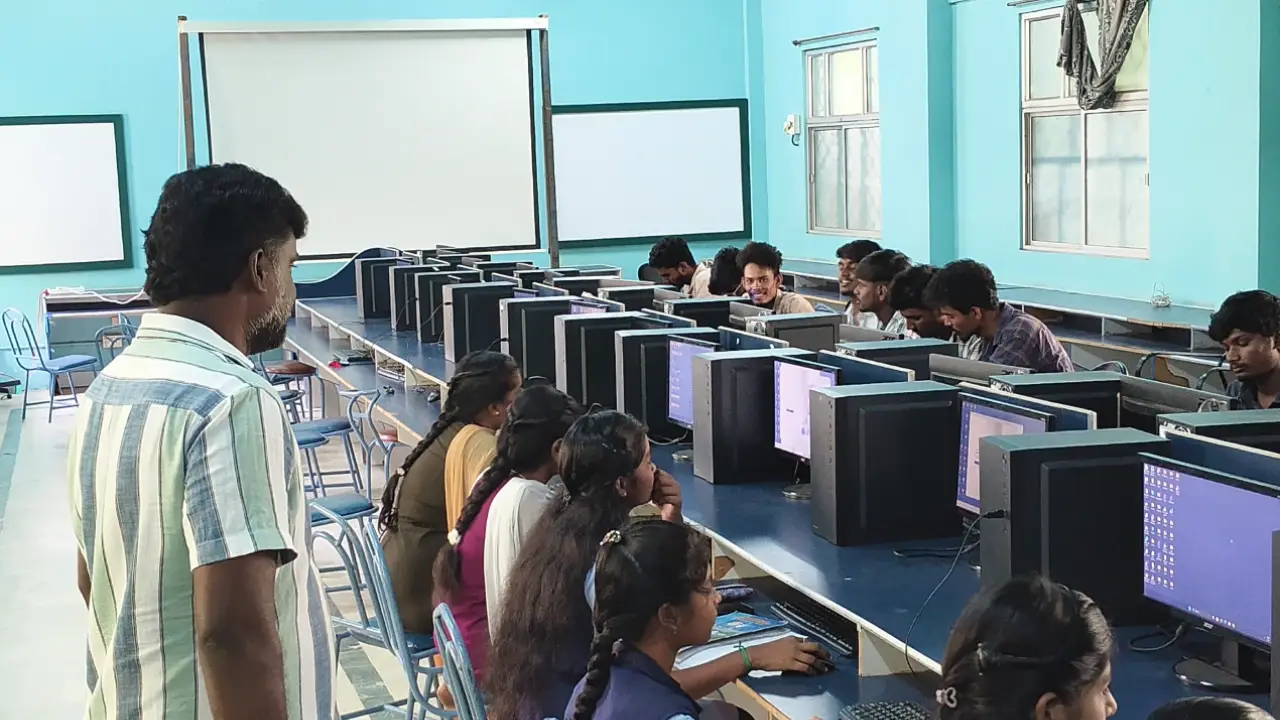
Python Laboratory
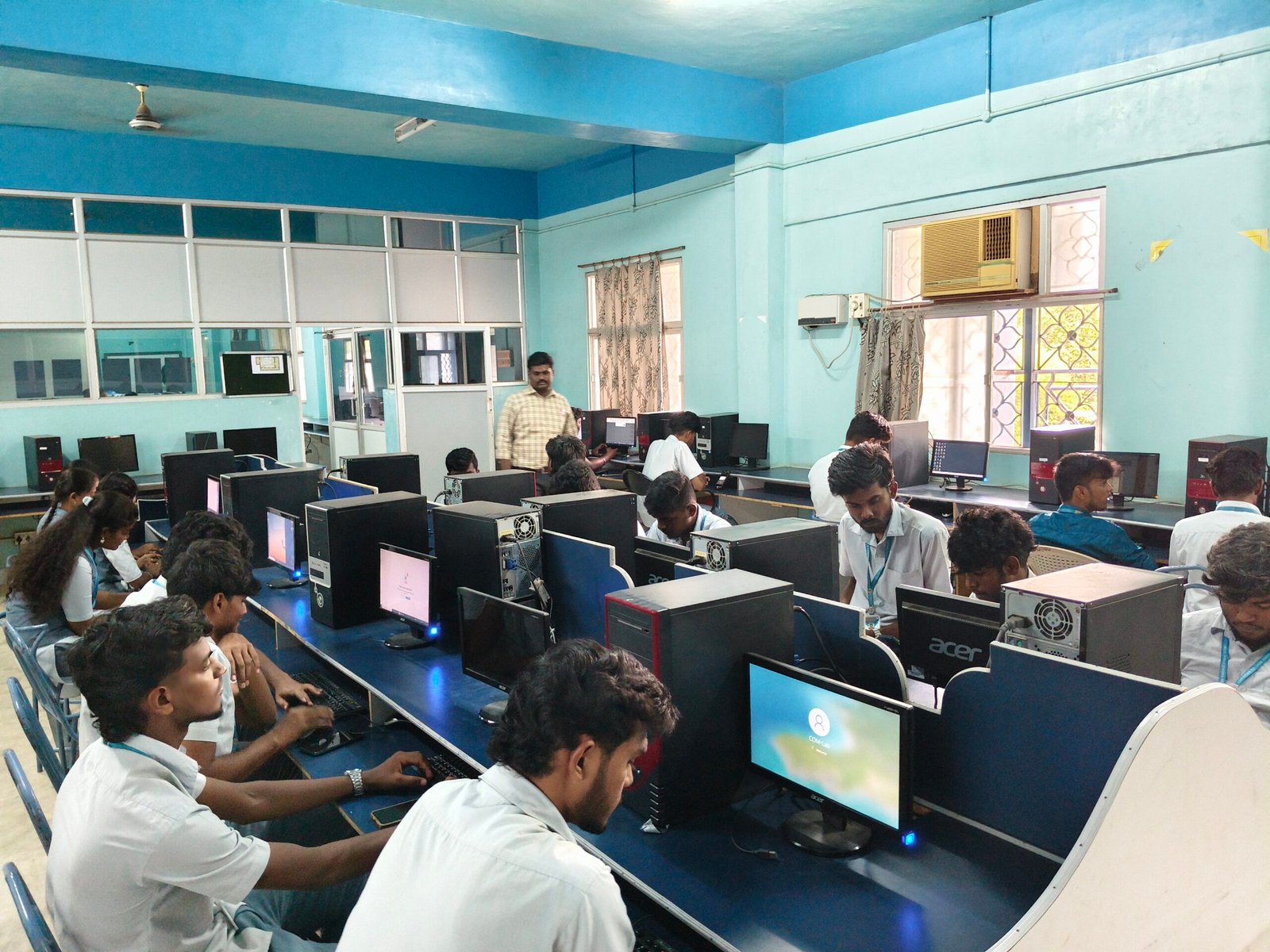
Research laboratory
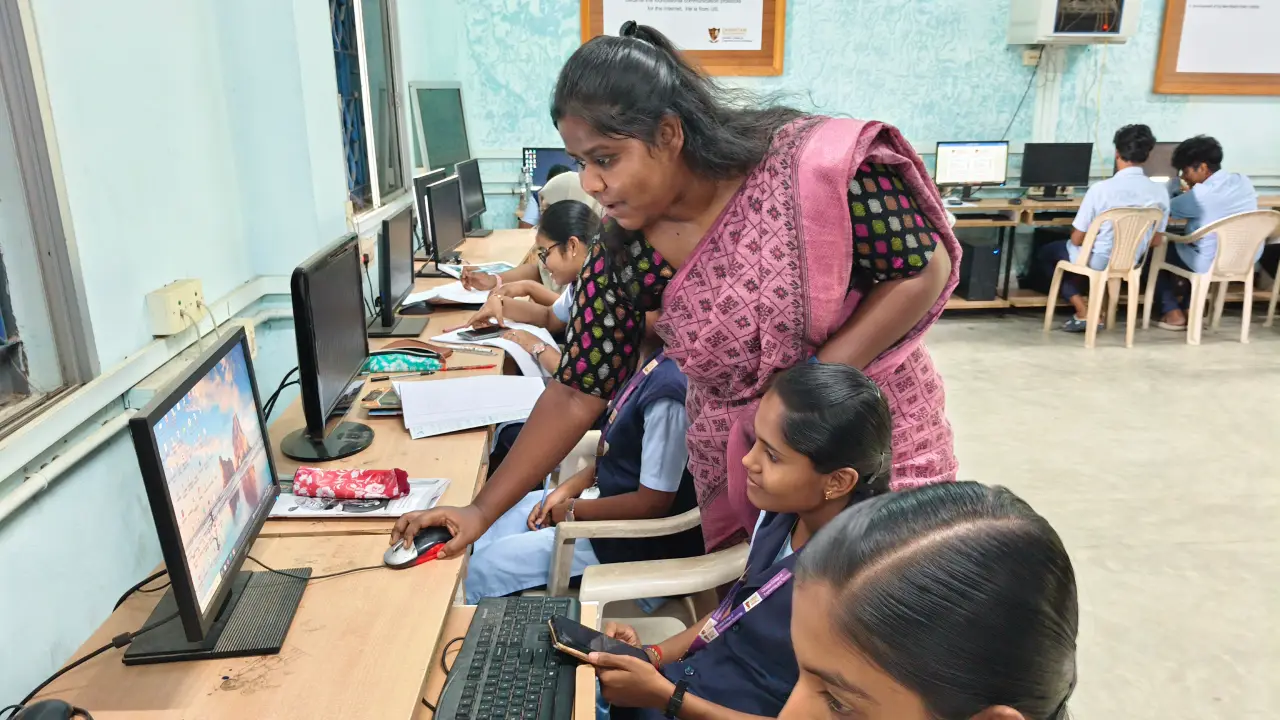
Simulation laboratory
Introduction
The Department of Computer Science Engineering was established in Christian College of Engineering and Technology in 2001–2002, and M.E. Computer Science was started in 2013-2014. The Department was started with the intake of 60 students for UG and 24 Students for PG. Both U.G and P.G programs are permanently affiliated by Anna University. The main objective of the computer develop an understanding of how computing technology presents new ways to address problems and to use computational thinking to analyze problems and to design, develop and evaluate solutions. It also aims at the students to read, write, test, and modify computer programs.
The skill development includes the hand-execute simple programs, showing how input data is processed, output data is produced, and how the values of internal variables change explain at various levels the behavior of fragments of programming language code also to amend existing programs to adjust or correct their functionality and to translate well-structured plans into working programs and to analyze simple problems involving text, numbers and graphics, producing a top-level plan with refinements use the error messages of the compiler to identify and correct mistakes in program syntax use testing strategies to identify and correct semantic errors in programs.
The department maintains a close interaction with the alumni and often uses their feedback to enhance the course offerings and research infrastructure. Their valuable feedbacks are considered, and further preceded for the young hearts and their future.
Vision
To create computer science graduates who will be renowned as creative leaders in the digital field by the knowledge they gained, experienced with the support of life-long learning faculties and by exposing themselves in the society.
Mission
To establish a better realization between knowledge and the real world among the students by providing them with innovative, problem solving, leadership skills along with ethical responsibilities.
Dr. P. Sundar
Programme Outcomes(POs)
After going through the four years of study, our Computer Science and Engineering Graduates will exhibit ability to:
|
PO# |
Graduate Attribute |
Programme Outcome |
|
1 |
Engineering knowledge |
Apply knowledge of mathematics, basic science and engineering science. |
|
2 |
Problem analysis |
Identify, formulate and solve engineering problems. |
|
3 |
Design/development of solutions |
Design an electrical system or process to improve its performance, satisfying its constraints. |
|
4 |
Conduct investigations of complex problems |
Conduct experiments in electrical and electronics systems and interpret the data. |
|
5 |
Modern tool usage |
Apply various tools and techniques to improve the efficiency of the system. |
|
6 |
The Engineer and society |
Conduct themselves to uphold the professional and social obligations. |
|
7 |
Environment and sustainability |
Design the system with environment consciousness and sustainable development. |
|
8 |
Ethics |
Interacting industry, business and society in a professional and ethical manner. |
|
9 |
Individual and team work |
Function in a multidisciplinary team. |
|
10 |
Communication |
Proficiency in oral and written Communication. |
|
11 |
Project management and finance |
Implement cost effective and improved system. |
|
12 |
Life-long learning |
Continue professional development and learning as a life-long activity. |
Programme Outcomes(POs)
After going through the four years of study, our Computer Science and Engineering Graduates will exhibit ability to:
|
PO# |
Programme Outcomes |
|
1 |
An ability to independently carry out research / investigation and development work to solve practical problems. |
|
2 |
An ability to write and present a substantial technical report/document. |
|
3 |
Students should be able to demonstrate a degree of mastery over the area of Computer Students should be able to demonstrate a degree of mastery over the area of Computer science engineering. |
|
4 |
Efficiently design, build and develop system application software for distributed and centralized computing environments in varying domains and platform |
|
5 |
Understand the working of current Industry trends, the new hardware architectures, the software components and design solutions for real world problems by Communicating and effectively working with professionals in various engineering fields and pursue research orientation for a lifelong professional development in computer and automation arenas. |
|
6 |
Model a computer based automation system and design algorithms that explore the understanding of the tradeoffs involved in digital transformation. |
Program Specific Outcomes (PSO’s)
PSO 1: Exhibit design and programming skills to build and automate business solutions using cutting edge technologies.
PSO 2:Strong theoretical foundation leading to excellence and excitement towards research, to provide elegant solutions to complex problems.
PSO 3:Ability to work effectively with various engineering fields as a team to design, build and develop system applications.
KANDAPIRABU K S
M.E
Assistant Professor & Head,
Department of CSE.
Welcome to Department of CSE, CCET.
Department of CSE is well supported by experienced faculty members with an average experience of 10 years. Our distinguished faculty teaches a wide range of diverse and engaging classes at both the undergraduate and graduate levels, ranging from the fundamentals of Computer Science, Core Courses, Programming and Emerging Technologies like Data Analytics, Data Mining, IoT, AI, Machine Learning, Professional Ethics, Research Methodologies and Open Source Technologies—to name just a few. In addition to offering Bachelor of Engineering (BE) degree, our department also offers a Master of Engineering (ME) programme in Computer Science.
It is built with the state of art infrastructure facility to support and encourage students to acquire knowledge and practical experience. During the course, students are able to mold their career, polish their technical skills and also inculcate team spirit with good oral and written communication. Students are supported technically and financially to participate in competitions, Hackathons at state, national and international level platforms.
Mail ID: csehod@christianengineering.in
KANDAPIRABU K S M.E
Assistant Professor & Head,
Department of CSE.
Mrs. Vanitha.J
M.E.,
Assistant Professor.
SARANYA M
M.E CSE
Assistant Professor
J. Sengole Beulah
M.E.,
Assistant Professor
P. Rajalakshmi
M.E.,
Assistant Professor
2023 – 2026
J. Jeba Prasanna Joice
M.E.,
Assistant Professor
2023 – 2026
V.Sumathi
M.E.,
Assistant Professor
G. Thivyapriya
M.E.,
Assistant Professor
P.SHANTHI
M.E.,
Assistant Professor
Mrs.r.ramya,
m.e,
Assistant Professor
POOBATHI P
M.E CSE
Assistant Professor
Mr. C.DHANASEKAR
M.E.,
Assistant Professor
Manju Priya P
Assistant Professor
T Sheeba
Assistant Professor.
[dflip id=”702″][/dflip]
As a student of Christian College of Engineering and Technology, it was a golden period of learning and enjoyment. Small regular appreciations from faculties motivated me to make learning my passion. Dedication and perseverance for skill development by teachers at Christian college of Engineering and Technology still motivates me to constantly work towards goal.
My Belief is “I am different from others.”
My true identity and feeling of uniqueness is the source of enjoyment and success. Empowered people can turn a failure into success by learning from it and moving on with having faith on themselves.
Tech Club
The club has formed and named as TECH Club was inaugurated on 18th Aug, 2024 by the Department of Computer Science & Engineering. Students play various roles in Tech Club, Technical events and programs are held every week for the students to improve their Technical Skills.
Computer Lab
Modern software is well-equipped in the laboratories, which are managed by knowledgeable technical support staff. The hardware in the various labs exposes students to real-world knowledge and provides examples of the key ideas in Computer Science engineering.
Library
The department has a library that supports the staff’s and students’ academic and research endeavors.
Seminars
The department organizes different seminars on the recent trends and hands on training for the same from various organizations.
Resource person 1 addressing and explaining the trends in computer science fields.
Resource person 2 sharing her experience in the IT field and wipes out the fear from the blooming mind
Our senior Faculty addressing the students and the honorium on the dais.
Interview training for 3rd year and final year students to face the interview
Successful seminar team and student volunteers.
| HS3152 -PROFESSIONAL ENGLISH I – [C101] | ||||||
| C101.1 | To use appropriate words in a professional context | |||||
| C101.2 | To gain understanding of basic grammatic structures and use them in right context. | |||||
| C101.3 | To read and infer the denotative and connotative meanings of technical texts | |||||
| C101.4 | To write definitions, descriptions, narrations and essays on various topics | |||||
| MA3151- MATRICES AND CALCULUS – [C102] | ||||||
| C102.1 | Use the matrix algebra methods for solving practical problems. | |||||
| C102.2 | Apply differential calculus tools in solving various application problems. | |||||
| C102.3 | Able to use differential calculus ideas on several variable functions. | |||||
| C102.4 | Apply different methods of integration in solving practical problems. | |||||
| C102.5 | :Apply multiple integral ideas in solving areas, volumes and other practical problems. | |||||
| PH3151 -ENGINEERING PHYSICS – [C103] | ||||||
| C103.1 | Understand the importance of mechanics. | |||||
| C103.2 | Express their knowledge in electromagnetic waves. | |||||
| C103.3 | Demonstrate a strong foundational knowledge in oscillations, optics and lasers. | |||||
| C103.4 | Understand the importance of quantum physics. | |||||
| C103.5 | Comprehend and apply quantum mechanical principles towards the formation of energy bands. | |||||
| CY3151 – ENGINEERING CHEMISTRY – [C104] | ||||||
| C104.1 | To infer the quality of water from quality parameter data and propose suitable treatment methodologies to treat water. | |||||
| C104.2 | To identify and apply basic concepts of nanoscience and nanotechnology in designing the synthesis of nanomaterials for engineering and technology applications. | |||||
| C104.3 | To apply the knowledge of phase rule and composites for material selection requirements. | |||||
| C104.4 | To recommend suitable fuels for engineering processes and applications. | |||||
| C104.5 | To recognize different forms of energy resources and apply them for suitable applications in energy sectors. | |||||
| GE3151- PROBLEM SOLVING AND PYTHON PROGRAMMING – [C105] | ||||||
| C105.1 | Develop algorithmic solutions to simple computational problems. | |||||
| C105.2 | Develop and execute simple Python programs. | |||||
| C105.3 | Write simple Python programs using conditionals and loops for solving problems. | |||||
| C105.4 | Decompose a Python program into functions. | |||||
| C105.5 | Represent compound data using Python lists, tuples, dictionaries etc. | |||||
| C105.6 | Read and write data from/to files in Python programs. | |||||
| GE3152 – HERITAGE OF TAMILS – [C106] | ||||||
| C106.1 |
|
|||||
| C106.2 |
|
|||||
| C106.3 | ||||||
| C106.4 | ||||||
| C106.5 |
|
|||||
| GE3171 – PROBLEM SOLVING AND PYTHON PROGRAMMING LABORATORY – [C107] | ||||||
| C107.1 | Develop algorithmic solutions to simple computational problems | |||||
| C107.2 | Develop and execute simple Python programs. | |||||
| C107.3 | Implement programs in Python using conditionals and loops for solving problems.. | |||||
| C107.4 | Deploy functions to decompose a Python program. | |||||
| C107.5 | Process compound data using Python data structures. | |||||
| C107.6 | Utilize Python packages in developing software applications. | |||||
| BS3171 – PHYSICS AND CHEMISTRY LABORATORY – [C108a] | ||||||
| C108.a.1 | Understand the functioning of various physics laboratory equipment. | |||||
| C108.a.2 | Use graphical models to analyze laboratory data. | |||||
| C108.a.3 | Use mathematical models as a medium for quantitative reasoning and describing physical reality. | |||||
| C108.a.4 | Access, process and analyze scientific information. | |||||
| C108.a.5 | Solve problems individually and collaboratively. | |||||
| CHEMISTRY LABORATORY – [C108b] | ||||||
| C108.b.1 | To analyse the quality of water samples with respect to their acidity, alkalinity, hardness and DO. | |||||
| C108.b.2 | To determine the amount of metal ions through volumetric and spectroscopic techniques | |||||
| C108.b.3 | To analyse and determine the composition of alloys. | |||||
| C108.b.4 | To learn simple method of synthesis of nanoparticles | |||||
| C108.b.5 | To quantitatively analyse the impurities in solution by electroanalytical techniques | |||||
| GE3172 – ENGLISH LABORATORY – [C109] | ||||||
| C109.1 | To listen to and comprehend general as well as complex academic information | |||||
| C109.2 | To listen to and understand different points of view in a discussion | |||||
| C109.3 | To speak fluently and accurately in formal and informal communicative contexts | |||||
| C109.4 | To describe products and processes and explain their uses and purposes clearly and accurately | |||||
| C109.5 | To express their opinions effectively in both formal and informal discussions | |||||
| HS3252- PROFESSIONAL ENGLISH – II – [C110] | ||||||
| C110.1 | To compare and contrast products and ideas in technical texts. | |||||
| C110.2 | To identify and report cause and effects in events, industrial processes through technical texts | |||||
| C110.3 | To analyse problems in order to arrive at feasible solutions and communicate them in the written format. | |||||
| C110.4 | To present their ideas and opinions in a planned and logical manner | |||||
| C110.5 | To draft effective resumes in the context of job search. | |||||
| MA3251 -STATISTICS AND NUMERICAL METHODS – [C111] | ||||||
| C111.1 | Apply the concept of testing of hypothesis for small and large samples in real life problems. | |||||
| C111.2 | Apply the basic concepts of classifications of design of experiments in the field of agriculture. | |||||
| C111.3 | Appreciate the numerical techniques of interpolation in various intervals and apply the numerical techniques of differentiation and integration for engineering problems. | |||||
| C111.4 | Understand the knowledge of various techniques and methods for solving first and second order ordinary differential equations. | |||||
| C111.5 | Solve the partial and ordinary differential equations with initial and boundary conditions by using certain techniques with engineering applications. | |||||
| PH3202 – PHYSICS FOR INFRMATION SCIENCE – [C112] | ||||||
| C112.1 | Know basics of dielectric materials and insulation. | |||||
| C112.2 | Gain knowledge on the electrical and magnetic properties of materials and their applications | |||||
| C112.3 | Understand clearly of semiconductor physics and functioning of semiconductor devices | |||||
| C112.4 | Understand the optical properties of materials and working principles of various optical devices | |||||
| C112.5 | Appreciate the importance of nanotechnology and nanodevices. | |||||
| BE3251 – BASIC ELECTIRICAL AND ELECTRONICS ENGINEERING – [C113] | ||||||
| C113.1 | Understanding profession of Civil and Mechanical engineering. | |||||
| C113.2 | Summarise the planning of building, infrastructure and working of Machineries. | |||||
| C113.3 | Apply the knowledge gained in respective discipline | |||||
| C113.4 | Illustrate the ideas of Civil and Mechanical Engineering applications. | |||||
| C113.5 | Appraise the material, Structures, machines and energy. | |||||
| GE3251 – ENGINEERING GRAPHICS – [C114] | ||||||
| C114.1 | Use BIS conventions and specifications for engineering drawing. | |||||
| C114.2 | Construct the conic curves, involutes and cycloid. | |||||
| C114.3 | Solve practical problems involving projection of lines. | |||||
| C114.4 | Draw the orthographic, isometric and perspective projections of simple solids. | |||||
| C114.5 | Draw the development of simple solids. | |||||
| CS3251 – PROGRAMMING IN C – [C115] | ||||||
| C115.1 | Demonstrate knowledge on C Programming constructs. | |||||
| C115.2 | Develop simple applications in C using basic constructs | |||||
| C115.3 | Design and implement applications using arrays and strings | |||||
| C115.4 | Develop and implement modular applications in C using functions. | |||||
| C115.5 | Develop applications in C using structures and pointers. | |||||
| C115.6 | Design applications using sequential and random access file processing. | |||||
| GE3252 – TAMILS AND TECHNOLOGY – [C116] | ||||||
| C116.1 |
|
|||||
| C116.2 |
|
|||||
| C116.3 |
|
|||||
| C116.4 |
|
|||||
| C116.5 |
|
|||||
| GE3271 – ENGINEERING PRACTICES LABORATORY – [C117] | ||||||
| C117.1 | Draw pipe line plan; lay and connect various pipe fittings used in common household plumbing work; Saw; plan; make joints in wood materials used in common household wood work. | |||||
| C117.2 | Wire various electrical joints in common household electrical wire work. | |||||
| C117.3 | Weld various joints in steel plates using arc welding work; Machine various simple processes like turning, drilling, tapping in parts; Assemble simple mechanical assembly of common household equipments; Make a tray out of metal sheet using sheet metal work. | |||||
| C117.4 | Solder and test simple electronic circuits; Assemble and test simple electronic components on PCB. | |||||
| CS3271 – PROGRAMMING IN C LABORATORY – [C118] | ||||||
| C118.1 | Demonstrate knowledge on C programming constructs | |||||
| C118.2 | Develop programs in C using basic constructs. | |||||
| C118.3 | Develop programs in C using arrays. | |||||
| C118.4 | Develop applications in C using strings, pointers, functions. | |||||
| C118.5 | Develop applications in C using structures. | |||||
| C118.6 | Develop applications in C using file processing. | |||||
| GE3272 – COMMUNICATION LABORATORY – [C119] | ||||||
| C119.1 | To listen to and comprehend general as well as complex academic information | |||||
| C119.2 | To listen to and understand different points of view in a discussion | |||||
| C119.3 | To speak fluently and accurately in formal and informal communicative contexts | |||||
| C119.4 | To describe products and processes and explain their uses and purposes clearly and accurately | |||||
| C119.5 | To express their opinions effectively in both formal and informal discussions | |||||
| MA3354 -DISCRETE MATHEMATICS – [C201] | ||||||
| C201.1 | Understand the fundamental knowledge of the concepts of probability and have knowledge of standard distributions which can describe real life phenomenon. | |||||
| C201.2 | Understand the basic concepts of one and two dimensional random variables and apply in engineering applications. | |||||
| C201.3 | To develop an understanding of the standard techniques of complex variable theory in particular analytic function and its mapping property. | |||||
| C201.4 | To familiarize the students with complex integration techniques and contour integration techniques which can be used in real integrals. | |||||
| C201.5 | To acquaint the students with Differential Equations which are significantly used in engineering problems. | |||||
| CS3351 – DIGITAL PRINCIPLES AND COMPUTER ORGANIZATION – [C202] | ||||||
| C202.1 | Visualize and explain Gradient, Divergence, and Curl operations on electromagnetic vector fieldsand identify the electromagnetic sources and their effects. | |||||
| C202.2 | Compute and analyse electrostatic fields, electric potential, energy density along with their applications. | |||||
| C202.3 | Compute and analyse magneto static fields, magnetic flux density, vector potential along with their applications. | |||||
| C202.4 | Explain different methods of emf generation and Maxwell’s equations | |||||
| C202.5 | Explain the concept of electromagnetic waves and characterizing parameters | |||||
| CS3352 – FOUNDATIONS OF DATA SCIENCE – [C203] | ||||||
| C203.1 | Define the data science process | |||||
| C203.2 | Understand different types of data description for data science process | |||||
| C203.3 | Gain knowledge on relationships between data | |||||
| C203.4 | Use the Python Libraries for Data Wrangling | |||||
| C203.5 | Apply visualization Libraries in Python to interpret and explore data | |||||
| CS3301 – DATA STRUCTURES – [C204] | ||||||
| C204.1 | Define linear and non-linear data structures. | |||||
| C204.2 | Implement linear and non–linear data structure operations. | |||||
| C204.3 | Use appropriate linear/non–linear data structure operations for solving a given problem. | |||||
| C204.4 | Apply appropriate graph algorithms for graph applications. | |||||
| C204.5 | Analyze the various searching and sorting algorithms. | |||||
| CS3391 – OBJECT ORIENTED PROGRAMMING – [C205] | ||||||
| C205.1 | Apply the concepts of classes and objects to solve simple problems | |||||
| C205.2 | Develop programs using inheritance, packages and interfaces | |||||
| C205.3 | Make use of exception handling mechanisms and multithreaded model to solve real world problems | |||||
| C205.4 | Build Java applications with I/O packages, string classes, Collections and generics concepts | |||||
| C205.5 | Integrate the concepts of event handling and JavaFX components and controls for developing GUI based applications | |||||
| CS3311 – DATA STRUCTURES LABORATORY – [C206] | ||||||
| C206.1 | Implement Linear data structure algorithms | |||||
| C206.2 | Implement applications using Stacks and Linked lists | |||||
| C206.3 | Implement Binary Search tree and AVL tree operations. | |||||
| C206.4 | Implement graph algorithms. | |||||
| C206.5 | Analyze the various searching and sorting algorithms. | |||||
| CS3381 – OBJECT ORIENTED PROGRAMMING LABORATORY – [C207] | ||||||
| C207.1 | Design and develop java programs using object oriented programming concepts | |||||
| C207.2 | Develop simple applications using object oriented concepts such as package, exceptions | |||||
| C207.3 | Implement multithreading, and generics concepts | |||||
| C207.4 | Create GUIs and event driven programming applications for real world problems | |||||
| C207.5 | Implement and deploy web applications using Java | |||||
| CS3361 – DATA SCIENCE LABORATORY – [C208] | ||||||
| C208.1 | Make use of the python libraries for data science | |||||
| C208.2 | Make use of the basic Statistical and Probability measures for data science | |||||
| C208.3 | Perform descriptive analytics on the benchmark data sets | |||||
| C208.4 | Perform correlation and regression analytics on standard data sets | |||||
| C208.5 | Present and interpret data using visualization packages in Python. | |||||
| GE3361 -PROFESSIONAL DEVELOPMENT – [C209] | ||||||
| C210.1 | Use MS Word to create quality documents, by structuring and organizing content for their day to day technical and academic requirements | |||||
| C210.2 | Use MS EXCEL to perform data operations and analytics, record, retrieve data as per requirements and visualize data for ease of understanding | |||||
| C210.3 | Use MS PowerPoint to create high quality academic presentations by including common tables, charts, graphs, interlinking other elements, and using media objects. | |||||
| CS3452 – THEORY OF COMPUTATION – [C211] | ||||||
| C211.1 | Construct automata theory using Finite Automata | |||||
| C211.2 | Write regular expressions for any pattern | |||||
| C211.3 | Design context free grammar and Pushdown Automata | |||||
| C211.4 | Design Turing machine for computational functions | |||||
| C211.5 | Differentiate between decidable and undecidable problems | |||||
| CS3491 – ARTIFICIAL INTELLIGENCE AND MACHINE LEARNING – [C212] | ||||||
| C212.1 | Use appropriate search algorithms for problem solving | |||||
| C212.2 | Apply reasoning under uncertainty | |||||
| C212.3 | Build supervised learning models | |||||
| C212.4 | Build ensembling and unsupervised models | |||||
| C212.5 | Build deep learning neural network models | |||||
| CS3492 – DATABASE MANAGEMENT SYSTEMS – [C213] | ||||||
| C213.1 | Construct SQL Queries using relational algebra | |||||
| C213.2 | Design database using ER model and normalize the database | |||||
| C213.3 | Construct queries to handle transaction processing and maintain consistency of the database | |||||
| C213.4 | Compare and contrast various indexing strategies and apply the knowledge to tune the performance of the database | |||||
| C213.5 | Appraise how advanced databases differ from Relational Databases and find a suitable database for the given requirement. | |||||
| CS3401 – ALGORITHMS – [C214] | ||||||
| C214.1 | Analyze the efficiency of algorithms using various frameworks | |||||
| C214.2 | Apply graph algorithms to solve problems and analyze their efficiency. | |||||
| C214.3 | Make use of algorithm design techniques like divide and conquer, dynamic programming and greedy techniques to solve problems | |||||
| C214.4 | Use the state space tree method for solving problems. | |||||
| C214.5 | Solve problems using approximation algorithms and randomized algorithms | |||||
| CS3451 – INTRODUCTION TO OPERATING SYSTEMS – [C215] | ||||||
| C215.1 | Analyze various scheduling algorithms and process synchronization. | |||||
| C215.2 | Explain deadlock prevention and avoidance algorithms. | |||||
| C215.3 | Compare and contrast various memory management schemes. | |||||
| C215.4 | Explain the functionality of file systems, I/O systems, and Virtualization | |||||
| C215.5 | Compare iOS and Android Operating Systems. | |||||
| GE3451 – ENVIRONMENTAL SCIENCES AND SUTAINABILITY – [C216] | ||||||
| C216.1 | To recognize and understand the functions of environment, ecosystems and biodiversity and their conservation. | |||||
| C216.2 | To identify the causes, effects of environmental pollution and natural disasters and contribute to the preventive measures in the society. | |||||
| C216.3 | To identify and apply the understanding of renewable and non-renewable resources and contribute to the sustainable measures to preserve them for future generations. | |||||
| C216.4 | To recognize the different goals of sustainable development and apply them for suitable technological advancement and societal development. | |||||
| C216.5 | To demonstrate the knowledge of sustainability practices and identify green materials, energy cycles and the role of sustainable urbanization. | |||||
| CS3461 – OPERATING SYSTEMS LABORATORY – [C217] | ||||||
| C217.1 | Define and implement UNIX Commands. | |||||
| C217.2 | Compare the performance of various CPU Scheduling Algorithms. | |||||
| C217.3 | Compare and contrast various Memory Allocation Methods. | |||||
| C217.4 | Define File Organization and File Allocation Strategies. | |||||
| C217.5 | Implement various Disk Scheduling Algorithms. | |||||
| CS3481 -DATABASE MANAGEMENT SYSTEMS LABORATORY – [C218] | ||||||
| C218.1 | Create databases with different types of key constraints. | |||||
| C218.2 | Construct simple and complex SQL queries using DML and DCL commands. | |||||
| C218.3 | Use advanced features such as stored procedures and triggers and incorporate in GUI based application development. | |||||
| C218.4 | Create an XML database and validate with meta-data (XML schema). | |||||
| C218.5 | Create and manipulate data using NOSQL database. | |||||
| CS3591 – COMPUTER NETWORKS – [C301] | ||||||
| C301.1 | Explain the basic layers and its functions in computer networks. | |||||
| C301.2 | Understand the basics of how data flows from one node to another. | |||||
| C301.3 | Analyze routing algorithms | |||||
| C301.4 | Describe protocols for various functions in the network. | |||||
| C301.5 | Analyze the working of various application layer protocols. | |||||
| CS3501 – COMPILER DESIGN – [C302] | ||||||
| C302.1 | Understand the techniques in different phases of a compiler | |||||
| C302.2 | Design a lexical analyser for a sample language and learn to use the LEX tool | |||||
| C302.3 | Apply different parsing algorithms to develop a parser and learn to use YACC tool | |||||
| C302.4 | Understand semantics rules (SDT), intermediate code generation and run-time environment | |||||
| C302.5 | Implement code generation and apply code optimization techniques | |||||
| CB3491 – CRYPTOGRAPHY AND CYBER SECURITY – [C303] | ||||||
| C303.1 | Understand the fundamentals of networks security, security architecture, threats and vulnerabilities | |||||
| C303.2 | Apply the different cryptographic operations of symmetric cryptographic algorithms | |||||
| C303.3 | Apply the different cryptographic operations of public key cryptography | |||||
| C303.4 | Apply the various Authentication schemes to simulate different applications | |||||
| C303.5 | Understand various cyber crimes and cyber security | |||||
| CS3551- DISTRIBUTED COMPUTING – [C304] | ||||||
| C304.1 | Explain the foundations of distributed systems (K2) | |||||
| C304.2 | Solve synchronization and state consistency problems (K3) | |||||
| C304.3 | Use resource sharing techniques in distributed systems (K3 | |||||
| C304.4 | Apply working model of consensus and reliability of distributed systems (K3) | |||||
| C304.5 | Explain the fundamentals of cloud computing (K2) | |||||
| CCS334 – BIG DATA ANALYTICS – [C305] | ||||||
| C305.1 | Describe big data and use cases from selected business domains | |||||
| C305.2 | Explain NoSQL big data management | |||||
| C305.3 | Install, configure, and run Hadoop and HDFS. | |||||
| C305.4 | Perform map-reduce analytics using Hadoop. | |||||
| C305.5 | Use Hadoop-related tools such as HBase, Cassandra, Pig, and Hive for big data analytics | |||||
| CCS375 – WEB TECHNOLOGIES [C306] | ||||||
| C306.1 | Construct a basic website using HTML and Cascading Style Sheets | |||||
| C306.2 | Build dynamic web page with validation using Java Script objects and by applying different event handling mechanisms. | |||||
| C306.3 | Develop server side programs using Servlets and JSP. | |||||
| C306.4 | Construct simple web pages in PHP and to represent data in XML format. | |||||
| C306.5 | Develop interactive web applications. | |||||
| MX3084 – DISASTER RISK REDUCTION AND MANAGEMENT – [C307] | ||||||
| C307.1 | To impart knowledge on the concepts of Disaster, Vulnerability and Disaster Risk reduction [DRR] | |||||
| C307.2 | To enhance understanding on Hazards, Vulnerability and Disaster Risk Assessment prevention and risk reduction | |||||
| C307.3 | To develop disaster response skills by adopting relevant tools and technology | |||||
| C307.4 | Enhance awareness of institutional processes for Disaster response in the country and | |||||
| C307.5 | Develop rudimentary ability to respond to their surroundings with potential Disaster response in areas where they live, with due sensitivity | |||||
| CCS356 – OBJECT ORIENTED SOFTWARE ENGINEERING – [C308] | ||||||
| C308.1 | Compare various Software Development Lifecycle Models | |||||
| C308.2 | Evaluate project management approaches as well as cost and schedule estimation strategies | |||||
| C308.3 | Perform formal analysis on specifications | |||||
| C308.4 | Use UML diagrams for analysis and design | |||||
| C308.5 | Architect and design using architectural styles and design patterns, and test the system | |||||
| CS3691 – EMBEDED SYSTEMS AND IOT – [C309] | ||||||
| C309.1 | Explain the architecture of embedded processors. | |||||
| C309.2 | Write embedded C programs | |||||
| C309.3 | Design simple embedded applications | |||||
| C309.4 | Compare the communication models in IOT | |||||
| C309.5 | Design IoT applications using Arduino/Raspberry Pi /open platform | |||||
| CCS372 – VIRTUALIZATION – [C310] | ||||||
| C310.1 | Analyse the virtualization concepts and Hypervisor | |||||
| C310.2 | Apply the Virtualization for real-world applications | |||||
| C310.3 | Install & Configure the different VM platforms | |||||
| C310.4 | Experiment with the VM with various software | |||||
| CCS374 – WEB APPLICATION SECURITY – [C311] | ||||||
| C311.1 | Understanding the basic concepts of web application security and the need for it | |||||
| C311.2 | Be acquainted with the process for secure development and deployment of web applications | |||||
| C311.3 | Acquire the skill to design and develop Secure Web Applications that use Secure APIs | |||||
| C311.4 | Be able to get the importance of carrying out vulnerability assessment and penetration testing | |||||
| C311.5 | Acquire the skill to think like a hacker and to use hackers tool sets | |||||
| CCW332 – DIGITAL MARKETING – [C312] | ||||||
| C312.1 | To examine and explore the role and importance of digital marketing in today’s rapidly changing business environment.. | |||||
| C312.2 | To focuses on how digital marketing can be utilized by organizations and how its effectiveness can be measured. | |||||
| C312.3 | To know the key elements of a digital marketing strategy. | |||||
| C312.4 | To study how the effectiveness of a digital marketing campaign can be measured | |||||
| C312.5 | To demonstrate advanced practical skills in common digital marketing tools such as SEO, SEM, Social media and Blogs. | |||||
| CCS335 – CLOUD COMPUTING – [C313] | ||||||
| C313.1 | Understand the design challenges in the cloud. | |||||
| C313.2 | Apply the concept of virtualization and its types. | |||||
| C313.3 | Experiment with virtualization of hardware resources and Docker. | |||||
| C313.4 | Develop and deploy services on the cloud and set up a cloud environment. | |||||
| C313.5 | Develop and deploy services on the cloud and set up a cloud environment. | |||||
| CCS335 – CLOUD COMPUTING – [C314] | ||||||
| C314.1 | Apply graph models for solving real world problem. | |||||
| C314.2 | Understand the importance the natural applications of trees and graph connectivity. | |||||
| C314.3 | Understand the characterization study of Eulerian graphs and Hamiltonian graphs. | |||||
| C314.4 | Apply the graph colouring concepts in partitioning problems. | |||||
| C314.5 | Apply the standard optimization graph algorithms in solving application problems. | |||||
| MX3086 – HISTORY OF SCIENCE AND TECHNOLOGY – [C315] | ||||||
| C315.1 | This course will begin with a short overview of human needs and desires and how different political-economic systems try to fullfill them. In the process, we will end with a critique of different systems and their implementations in the past, with possible future directions. | |||||
| GE3791 – HUMAN VALUES AND ETHICS – [C401] | ||||||
| C401.1 | Identify the importance of democratic, secular and scientific values in harmonious functioning of social life | |||||
| C401.2 | Practice democratic and scientific values in both their personal and professional life. | |||||
| C401.3 | Find rational solutions to social problems. | |||||
| C401.4 | Behave in an ethical manner in society | |||||
| C401.5 | Practice critical thinking and the pursuit of truth. | |||||
| GE3751 – PRINCIPLES OF MANAGEMENT – [C402] | ||||||
| C402.1 | Upon completion of the course, students will be able to have clear understanding of managerial functions like planning, organizing, staffing, leading & controlling. |
|||||
| C402.2 | Have same basic knowledge on international aspect of management. | |||||
| C402.3 | Ability to understand management concept of organizing. | |||||
| C402.4 | Ability to understand management concept of directing. | |||||
| OHS352 – PROJECT REPORT WRITING – [C403] | ||||||
| C403.1 | Write effective project reports | |||||
| C403.2 | Use statistical tools with confidence. | |||||
| C403.3 | Explain the purpose and intension of the proposed project coherently and with clarity. | |||||
| C403.4 | Create writing texts to suit achieve the intended purpose. | |||||
| C403.5 | Master the art of writing winning proposals and projects. | |||||
| AI3021 – IT IN AGRICULTURAL SYSTEM – [C404] | ||||||
| C404.1 | The students shall be able to understand the applications of IT in remote sensing applications such as Drones etc. | |||||
| C404.2 | The students will be able to get a clear understanding of how a greenhouse can be automated and its advantages. | |||||
| C404.3 | The students will be able to apply IT principles and concepts for management of field operations | |||||
| C404.4 | The students will get an understanding about weather models, their inputs and applications. | |||||
| C404.5 | The students will get an understanding of how IT can be used for e-governance in agriculture. | |||||
| OME354 – APPLIED DESIGN THINKING – [C405] | ||||||
| C405.1 | Define & test various hypotheses to mitigate the inherent risks in product innovations | |||||
| C405.2 | Design the solution concept based on the proposed value by exploring alternate solutions to achieve value-price fit | |||||
| C405.3 | Develop skills in empathizing, critical thinking, analyzing, storytelling & pitching | |||||
| C405.4 | Apply system thinking in a real-world scenario | |||||
| CS3811 – PROJECT WORK / INTERNSHIP – [C406] | ||||||
| C406.1 | Gain Domain knowledge and technical skill set required for solving industry / research problems | |||||
| C406.2 | Provide solution architecture, module level designs, algorithms | |||||
| C406.3 | Implement, test and deploy the solution for the target platform | |||||
| C406.4 | Prepare detailed technical report, demonstrate and present the work | |||||